Thursday, 2 June 2016

Thursday, 26 May 2016
week 5
For the final week i added additional images in between parts where i begin to change topic to go with the flow of the video. The whole week revolved around checking with the voice over to make sure certain parts are edited according. I noticed that one of my screen images lasted too long so i replaced the image taking up 15 seconds and replaced it with two images instead, however this wasn't much of an issue because i wanted the audience to be engaged with the content in which the voice over provided, the visuals aside from the interviews and graphics didn't stand as much of a necessary as it stood only for visual stimulation.
In terms of time constraints and other similar issues i overall project went very smoothly, i edited and upload the final footage a week before the deadline.
In terms of time constraints and other similar issues i overall project went very smoothly, i edited and upload the final footage a week before the deadline.
Friday, 20 May 2016
focus group evaluation
My focus group evaluation:
I answered the questions in detail and expanding on each sub category i'll be talking about and i proposed what the main chunk of my documentary will be about. In the pitch i explained why i wanted to talk about sleep because it effects me and it can effect everyone at one point and i would like to inform people that it vital and shouldn't be taken lightly.
I answered the questions in detail and expanding on each sub category i'll be talking about and i proposed what the main chunk of my documentary will be about. In the pitch i explained why i wanted to talk about sleep because it effects me and it can effect everyone at one point and i would like to inform people that it vital and shouldn't be taken lightly.
I like to contact more sleep clinics to conduct interviews and such. Visiting a sleep house/sleep chamber is a good idea but it is not something anyone can access therefore it may be limited.
However as a back up plan interviewing someone who has an medical degree and experience regarding this subject is also a good choice. For the other person ill be interviewing is one friend of mine that has experienced sleeping problems and how it has affected his life.
In the pitch i mentioned different sleep sleeping disorders, for this to be reliable i will find statistics regarding each disorder such as Sleep apnea and conducting a graph on which age group and percentage of people will be effected.
In the pitch i also mentioned different things that will take up the documentary apart from just interviews for example, Stages of sleep, i'll be talking about the cycle through stages 1 to REM sleep and provide graphs showing brain activity.
Tuesday, 17 May 2016
week 4 production log
During this week i completed a couple of voice overs for the introduction and the stages of sleep for this i looked on google to relevant images to add over.
As for interviews i managed to interview a friend of mine who will be talking about his past experiences/ encounter with insomnia, with this interview i'll be building off it providing stats and percentages of an age group would be more likely to suffer due to exam stress and expand on how it can be prevented.
This would lead me to prevention therefore my next step is to look at ways to prevent insomnia in categories such as natural ways and a last resort medication and expand on why it should only be a last resort choice.
By the end of the week i completed my introduction with edited text alongside images and voice overs to engage the audience with mind breaking facts using bold text indicating the numbers.
As for interviews i managed to interview a friend of mine who will be talking about his past experiences/ encounter with insomnia, with this interview i'll be building off it providing stats and percentages of an age group would be more likely to suffer due to exam stress and expand on how it can be prevented.
This would lead me to prevention therefore my next step is to look at ways to prevent insomnia in categories such as natural ways and a last resort medication and expand on why it should only be a last resort choice.
By the end of the week i completed my introduction with edited text alongside images and voice overs to engage the audience with mind breaking facts using bold text indicating the numbers.
Friday, 13 May 2016
Sleep doc introduction
Introduction
What is sleep:
What: Information and facts about sleep in general to give the audience a brief introduction
Who: I'll be talking over achieve footage and images
Why: To understand the basic concept of sleep
Duration: 5 minutes

Why do we need sleep:
What: info on why sleep is important, graphs charts proving so
Who: voice over
Why:
http://www.smoke-free-at-last.com/lib/how-lack-of-sleep-can-impact-your-weight-and-what-to-do/
Stages of sleep:
What: Talking about the stages of sleep
Who:
Lack of sleep
What: Discussing the symptoms that occur and in depth on insomnia
Who: Interviews with peoples personal sleeping schedule/pattern
Why: To address the issues at hand

Tracking sleep
What: Talking about sleep clinics and sleep houses, more accessible - Sleep tracking apps
Who: me talking
Why: to show live interaction
Prevention
What: Talking about how to prevent and avoid sleep deprivation
Who: I will be addressing to the audience, Me acting out some scenes
Why: To make audiences at home aware of these techniques
Additional sleep disorders
What: Sleep disorders such as paralysis
Who: To the audience

Saturday, 7 May 2016
week 3
during this week i pretty much completed all the things that need to be done, first of i completed all my interviews, first interview being with a sports and health physician who will be explaining how exercise aids and encourages a better nights sleep, and why you should not drink red blue as a prevention. Other interview goes for more personal stories
As for the recordings i've recorded about more than 6minutes worth of talking covering all sections i am to talk about, with this i added images accordingly over the voice overs and a few interesting videos but only as visuals and exemplars.
As for what i have to do next i'll add additional images where needed and try to smooth out the video and make it engaging for the audience
12 sub-categories of Docs
Docudrama
A docudrama is a combination of a documentary and a drama, it can be in form of a TV series or a film, in a docudrama it focuses on real life events and people but presented in a exaggerated way. Docudramas usually uses staged footage and actors to replace what happened during the events, it focuses on issues such as global warming and currents issues for example Superstorm which is a BBC produced docudrama consisting of 3 episodes showing how people are struggling to fight the consequences of global warming, in this show a lot of close ups and over the shoulder shots are used to show the intense conversations between the characters, the audience are engaged by this through the narrative and the situation and personalities of each character which they could relate to.

Reality TV
The reality TV show I'll be talking about is The great British bake-off, the show compels of a competition amongst passionate bakers who takes on difficult challengers to prove their baking skills, the people who take part range from ages of young to old and from all backgrounds. This show can provide bakers and non-bakers inspiration to either try out new ideas or try out baking as a entirely new hobby. The struggle through time limitations and ability to replicate a certain cake shows us how each competitor is trying their hardest to win. Reality tv provides a situation in which the audience sits as a spectator, this is engaging in terms of the struggle a character may be put through and the audience follows them on their journey.

Infotainment
Infotainment in general provides information and entertainment in one, a example I'll be using is Mock of the Week, this show consists of a host and several celebrities where the share the raw opinions on a particular news/subject that occurred over the week. The show usually makes fun of news in a sense therefore it engages the audience through humour. Infotainment's main target audience is within the 18-30 age group where the humour is often associated with more mature audiences, the information side of things can stream from politics to covering weekly news.
Educational
Educational documentary simply put is a documentary type where the audience learns something of some-sort, it usually ranges from teaching new topics, events or skills, a example of this is BBC Panorama, this show has many episodes and each one providing us with something different from the other, the topics usually talked about are something to do with first world problems etc., it engages the audience through debunking stereotypes and the 'secrets' of the particular topic. In the episode Britain's Puppy Dealers Exposed, the presenter first hand breaks into a puppy storehouse and shows us the conditions and the environment of these trapped puppies, the fact that footage shown to us is raw makes us feel the same emotions of how the presenter is feeling, e.g disgust therefore the show enrages audiences at home to do something about it. Even though if it doesn't pike certain emotions the audience is engaged through uses and gratification acquiring knowledge and social interaction where they share their opinions on the topic.
Discussion
This is a documentary type where a host remains neutral and places a question for two oppositions argue their answers, a example of this is The big question, at first the host gives a brief introduction of the topic but he is speech is obstructive compared to those who are arguing are subjective, those on the show who are participating have a social status for example entrepreneurs, historians activists therefore their opinions are respected. Audiences can gain knowledge and see a new viewpoint from this show, furthermore the audience can gain social interaction through the shows dedicated website where discussions take place online.
Review
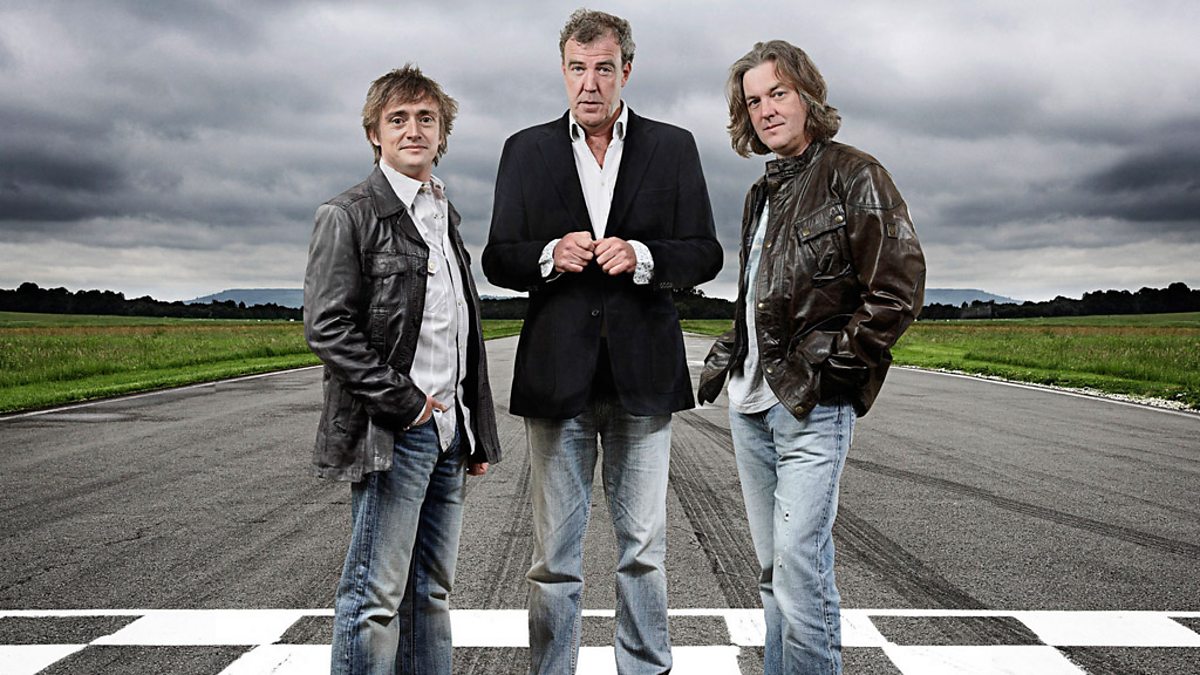
A review show has one or particularity experts who talk about their area of expertise, the show Top Gear is a poplar example, it is now world wide and consists of reviews of latest car models, debates, and interviews with celebrities who also participate in a interactive race course to have their name of the board filled without other celebrities lap times. This particular aspect engages the audience by having their favourite celebrity try their hardest to finish the race course with raw reactions and a face cam.
A wildlife documentary is purely a documentary based on animals and plants, the documentary uses a un-obsrtuctive camera-work to not interferer with the animals in their natural habitats. Expository narration is used which provides the audience detailed information of what is happening in each scene. A wildlife documentary has a narrative arc to it allowing us to familiarise to a particular animal and show us their journey in hunt for food and survival. Wildlife documentaries sometimes have brief pauses in verbal dialogue to let the visual side of things take over, this can do with the current situation a certain animal is in and the silence builds suspense for the audience in regards to what will happen.

Special Interest
Magazine

A docudrama is a combination of a documentary and a drama, it can be in form of a TV series or a film, in a docudrama it focuses on real life events and people but presented in a exaggerated way. Docudramas usually uses staged footage and actors to replace what happened during the events, it focuses on issues such as global warming and currents issues for example Superstorm which is a BBC produced docudrama consisting of 3 episodes showing how people are struggling to fight the consequences of global warming, in this show a lot of close ups and over the shoulder shots are used to show the intense conversations between the characters, the audience are engaged by this through the narrative and the situation and personalities of each character which they could relate to.

Reality TV
The reality TV show I'll be talking about is The great British bake-off, the show compels of a competition amongst passionate bakers who takes on difficult challengers to prove their baking skills, the people who take part range from ages of young to old and from all backgrounds. This show can provide bakers and non-bakers inspiration to either try out new ideas or try out baking as a entirely new hobby. The struggle through time limitations and ability to replicate a certain cake shows us how each competitor is trying their hardest to win. Reality tv provides a situation in which the audience sits as a spectator, this is engaging in terms of the struggle a character may be put through and the audience follows them on their journey.
Infotainment
Infotainment in general provides information and entertainment in one, a example I'll be using is Mock of the Week, this show consists of a host and several celebrities where the share the raw opinions on a particular news/subject that occurred over the week. The show usually makes fun of news in a sense therefore it engages the audience through humour. Infotainment's main target audience is within the 18-30 age group where the humour is often associated with more mature audiences, the information side of things can stream from politics to covering weekly news.
Educational
Educational documentary simply put is a documentary type where the audience learns something of some-sort, it usually ranges from teaching new topics, events or skills, a example of this is BBC Panorama, this show has many episodes and each one providing us with something different from the other, the topics usually talked about are something to do with first world problems etc., it engages the audience through debunking stereotypes and the 'secrets' of the particular topic. In the episode Britain's Puppy Dealers Exposed, the presenter first hand breaks into a puppy storehouse and shows us the conditions and the environment of these trapped puppies, the fact that footage shown to us is raw makes us feel the same emotions of how the presenter is feeling, e.g disgust therefore the show enrages audiences at home to do something about it. Even though if it doesn't pike certain emotions the audience is engaged through uses and gratification acquiring knowledge and social interaction where they share their opinions on the topic.
Discussion
This is a documentary type where a host remains neutral and places a question for two oppositions argue their answers, a example of this is The big question, at first the host gives a brief introduction of the topic but he is speech is obstructive compared to those who are arguing are subjective, those on the show who are participating have a social status for example entrepreneurs, historians activists therefore their opinions are respected. Audiences can gain knowledge and see a new viewpoint from this show, furthermore the audience can gain social interaction through the shows dedicated website where discussions take place online.
Review
A review show has one or particularity experts who talk about their area of expertise, the show Top Gear is a poplar example, it is now world wide and consists of reviews of latest car models, debates, and interviews with celebrities who also participate in a interactive race course to have their name of the board filled without other celebrities lap times. This particular aspect engages the audience by having their favourite celebrity try their hardest to finish the race course with raw reactions and a face cam.
Chat show
A chat show consists of a host and a particular person/celebrity who has achieved something extraordinary who will be interviewed where they talk about their upcoming film or how they became famous via current trends, a popular example of this is the Ellen show. People who have become an internet sensation are invited to the show to talk about how they came up with their idea and how they reacted to the fame and such questions, audiences get extra knowledge and usually during the end a addition performance of their talents are shown such as the running man challenge where live audiences can also dance along which allows the show to become interactive and engaging. In particular those who get interviewed on The Ellen Show gets different goodies to take how home consisting of exclusive Ellen show underwear to $10,000 cheques for the studies, knowing this the audience at home are obliged to see what goodies they get resulting in social interaction through which they believe that they deserve it or not for example the pair that created ‘Damn Daniel’ received a lifetime supply of vans therefore creating controversy. However some chat shows do not just conduct interviews, they play mini games and follow a certain trend to engage the audiences such as the chat show Jimmy Fallon, those celebrities on the show get to participate in different mini games such as Lip sync battle, impersonations, ball pong and other creative arcs to keep the audiences engaged. In addition to this we get further insight on the celebrities personalities and what they are like off camera therefore it further allows audiences to see a unknown side of a celebrity such as humour or talents that they have no known before.
Wildlife
Special Interest
Special interest targets a particular group of people, it is usually not shown on mainstream TV however it can be accessed on other forms such as on DVD or searched on the internet. A example of this is the Pumping Iron documentary on Arnold Schwarzenegger, the main audience is those who have a interest in physique and body-building, the documentary talks about the struggles he faced and various positive quotes/messages providing motivation to the audience. The documentary consists of interviews from those who know the man himself, and special unseen footage of him in the gym working out. However this particular documentary may also target those who are curious
Magazine
A magazine show is usually broadcast during the day, it has a targets a wide range of audiences with the exception of Loose woman which most targets woman and their lifestyle/issues. A magazine show is self explanatory it its name, it covers a range of topics from celebrity gossip and news that occurring recently, a magazine show is usually live and members at home can call in to share their opinions on a particular topic therefore it engages the audience through interaction. Magazine shows usually run through a scheme/ routine in which stories are covered, this provides extensive insight on a particular topic and also invites the ability for a special guest on the show.
Thursday, 5 May 2016
Production log week 2
During this week i've started my Sections blogpost regarding what the contents on each subcategory of my documentary will be about. In total the 'sections' result to 8 different categories including a introduction.
During this week i also started to conduct my first interview which was successful, i asked my friend who also used to suffer from being unable to sleep due to stress and asked him questions about his daily sleep routines, sleeping patterns, average amount of sleep each day and such, by this i can use this information to provide deeper messages and statistics.
During this week i also looked into the visual content regarding my documentary, i've decided to use some footage of myself acting out specific actions and i'll also be using archive footage on people sleeping and use a voice over.
parody evaluation
This is a example how not to present news. The newsreader breaks eye contact with the audience and questions about the script and having a conversation this breaks the rule of mode of address. Her body language and posture is lacking and unprofessional.

The newsreader continues this and at the end she askes for the name of the field reporter, therefore this shows that she is unorganised and unprofessional.

At the end the table moves because of a faulty in editing.

The field reporter is doing her own thing and is not prepared.

The interviewee doesnt know anything yet the interview him.

The link to studio was poorly done, the newreader was not present.

News report roles
Field reporter
A field reporter also known as correspondent is someone who is one the scene reporting in to the studio their environment or what is happening during the event, usually the information provided is somewhat reliable and the way they speak such as their tone and pitch has to fit in with the scenario to look the bit.
Link to the studio
This is when the field reporter gives the limelight back to the studio or interacts with the person in the studio, questions such as what are the current situations and events are asked to the field reporter and the field reporter responds back, this is effective because it gives a clear insight on what is happening on the scene which makes it reliable for the audience at home.
Mode of address
The way in which presenters talk must have a strict fluent form, direct address is usually used when directing an issue for example a newsreader or reporter has looks straight at the viewer down the camera. At the start newsreaders are required to announce the top stories first, and use personal pronouns in between or at the end such as, Thank you for listening etc. When announcing on National TV news any accents must be kept on a standard level for example in America you would use a General American accent and UK, British. Differentiating from reports and newsreaders, interviewees are generally required to look off the camera and at the interviewer himself.Interviewing eyewitnesses and experts
Eyewitness reports are usually conducted on the scene, unless something more serious has occurred for example an eyewitness who survived during a shootout are invited to the studio to talk about their story, they could either be on camera or remain anonymous and this keeps the audience engaged and be able to relate to the victim on a level or influenced to feel a certain way such as sympathy. However all the rights remains with the eyewitness and if you refuse to do an interview then its final.Wednesday, 4 May 2016
Sunday, 1 May 2016
Narrative arc
The overall structure of my documentary will consist of an introduction, the main filler being content, a couple interviews and ending with a conclusion. The introduction will consist of a statistic based question similar to the idea of 'did you know' and finishing off with a harsh blown fact. This would most likely create an effect on the audience to engage them on what other information will i provide them with next. During this stage i'll remain within the arc of describing the main principles of sleep which will already take up a third of the content, i plan to include an interview of a person who talks about their experiences as a guideline to what i'll say next, giving geographical data i.e percentage of people who sleep less than 5 hours. During this stage i'll invite the chunk for the consequences following how to prevent this with another interview with someone within the field.
- Introduce the topic
- Statistics & Research related REM sleep,
- Interviews People with experience of sleep disorders and professional advice
- Statistics and prevention
- Concluded closed ending
Production log week 1
This first week i had to decide on a topic ill be specially talking about in my documentary which i've finally decided to chose the topic of Sleep deprivation, this topic would deem to be interesting and target all audiences because everybody in the world needs sleep. We had to plan out our idea answering questions relating to what components will fill up the documentary and such, after doing so this gave me a brief idea what my introduction will be about and how it will flow consistently and chronologically, starting off with an intro on what is sleep, sleep cycles, lack of sleep then prevention.
After doing so, in the week we had to pitch our ideas to a small focus group, presenting our ideas and answering questions regarding the topic which can be seen in the video below:
We then wrote a detailed evaluation of what could of been improved which can be seen in my Evaluation post in the same blog.
After doing so, in the week we had to pitch our ideas to a small focus group, presenting our ideas and answering questions regarding the topic which can be seen in the video below:
We then wrote a detailed evaluation of what could of been improved which can be seen in my Evaluation post in the same blog.


Saturday, 30 April 2016
Script for sleep documentary
This contains some of the script i'll be using
It is said The average person will sleep for a third of their lives, equivalent to nine-thousand one hundred and twenty five days and 2 hundred and 29 thousand, 9 hundred and 61 hours in their entire lifetime, basing of an average of 8 hours of sleep per night, but for some of us this only a distant dream and how much truth is really behind it?
First of, let's tackle the question of what really is the sleep?
Sleep is the mysterious shift in consciousness that our bodies require every day. It’s vital for our health and wellbeing, and not only do we function less well when we don’t get enough quality sleep, but it can lead to long-term health problems. That’s why we need to do all that we can to ensure that we enjoy quality sleep and deal with any sleep problems.
During this stage the body begins to repair itself, from repairing muscle fibres, tissue growth to restoring our energy for the day ahead. So does this mean if we jump right into bed all these things happen straight away, the answer is no.
Stages of sleep:
As you know when we get into bed, there is a time where beforehand where we actually begin to fall asleep, it can be from 10 minutes to 30 minutes or even longer, this varies from person to person and is also known as sleep latency which i’ll be talking about later. But for now, once we fall asleep do we start dreaming straight away, not really. This is because there is a starting point from where we go through a continuous cycle that runs around and around throughout the night. This is also known as the stages of sleep.
People usually pass through 5 stages, starting of at stage 1 to REM Sleep.
During stage 1: Stage one is also known as light sleep, this is a stage between sleep and can be easily awakened.
Stage 2 is when eye movement stops and you become disengaged from your surroundings.
Stage 3 and 4: is also known as deep sleep, during stage 3 and 4 it becomes difficult for them to be awakened where there is no eye movement and muscle activity.
The last stage REM sleep: This is the stage where dreams mostly occur and when we wake up we can remember them. Breathing becomes more rapid and heart rate increases.
The optimum stages that are most beneficial for us is stage 3 and four that allows our bodies to fully recover on both psychological and physical measures.
With that being said doctors do not know the exact reason as to why we need sleep? But we do know the functions that sleep serve in order to maintain our health and wellbeings.
Now what about those who don’t and can't sleep?
– where the muscles and soft tissues in the throat relax and collapse sufficiently to cause a total blockage of the airway; it is called an apnoea when the airflow is blocked for 10 seconds or more
Lack of sleep: In the 21 century our busy lives are filled with ideals, jobs, deadlines, relationships taking up half or if not the whole of the day. What is worse is coming home to bed, and you can’t fall asleep. The reason being is that some of us are unaware that we unconsciously bring these along to bed with us, thoughts, feelings, day to day stress all in a time where can actually think about them therefore this replaces our actual time to relax and snooze off.
Even though some of us are consciously aware, we are unable to sleep, this is also known as Insomnia.
As many as 30 to 35 percent of adults complain of insomnia. It is more common in groups such as older adults, women, people under stress and people with mental health problems such as depression.
People who have insomnia tend to find it difficult to fall alseep, waking up several times per night, feeling irritated and difficulty concentrating during the day.
I conducted a interview with a couple people who had past experiences with insomnia
The results i got showed 90% of the people i interviewed showed showed a link between lack of sleep and productivity.
STudies show that lack of sleep decreases our productivity, it can effect our general mood, ability to learn and retain information and is also a safety concern as we are more likely to cause accidents.
Another study also shows that lack of sleep makes you more vulnerable to common colds.
Although lack of sleep is may seem different to insomnia but i believe it is not to far apart since both share some of the same symptoms, a person who lacks sleep may develop sleeping patterns that are irregular and this increases into another deadly cycle which develops into insomnia in time.
I’ve conducted an interview with a to further explain this hypothesis:
With this information this regards that those we do not sleep through free will may lead to circumstances similar to insomnia being unable to sleep.
Prevention:
So how do we prevent this from happening:
Treating sleep as something very important is the first step, sleep
I interviewed a fitness instructor to tell us about what how exercise affects the quality of sleep we get.
Expanding on his point a study by the national sleep foundation shows that people sleep significantly better and more alert during the day when the person spends at least 150 minutes of exercise week.
Self-help
Books
There are many ways to track sleep whether its for medical reasons or just to see your own sleep patterns, Some sleep clinics provides sleep labs where patients are to stay a night where doctors can view your brainwaves pinpointing problems and help you adjust to a better night sleep.
However there is a reliable way where anyone at home track your own sleeping patterns, devices such as Jawbones and fitbits allow a individual to track the amount exercise, calories and quality of sleep you get, turning you into a healthier individual.
Shooting script
I didn't require a shooting script since there wasn't any need for any locations to be filmed at aside from the interviews itself. The interview's are done according to the production schedule, and since i'm interviewing a staff member of an organisation i can just pop by any day this week in hopes they are available to film. The visual side of things are must covered with graphics, examples and a couple photos taken using a camera.
Friday, 22 April 2016

Tuesday, 19 April 2016
Nichols modes documentary
Documentary codes and conventions
Realism
Realism in documentaries is simply using real life footage, this could either be someone who is present during the event, or the filmmaker present during the event either way realism is filmed using an handheld camera which makes it 'realistic' differentiating from those that re-enact scenes/footages. Realism can be done through an interview for example someone who witnessed a shooting and talking about it on the scene, or a person filming the shooting which is actual footage. Realism instinctively assures the audience with the trustworthiness of the source, this can be due to the nature of which realism documentaries are used for.
Dramatisation
Dramatisation is the use of re-enactments alongside interviews. Events that has happened are redone to give the audience a general idea of the events that took place during that moment in time, usually dramatisation is presented with a person being interviewed talking about their story and scenes of the event but re-enacted. Music and sound effects are usually implemented with this to give the audience an feel for the event or to create an specific atmosphere. Dramatisation are common in programs such as watchdogs which with the audience an visual image of a scene that has happened, this is effective in ways of helping the audience understand the situation better.
An interactive form of documentary usually falls under being reliable. The documentary interviews people on the scene and includes real time footages, an example text is Point and Shoot where we get a backstory of the person who is involved and we follow him on a journey where he completely changes into a different person. The provides the audience with an insight on a particular persons lifestyle or activity, this can be engaging in ways such as the serve brutality and truth of the documentary which is not scene in day to day life.
A reflective form of documentary is usually the presenter in front of the camera dealing with real life issues, the presenter joining in or being at the scene. Usually reflective documentary follows a narrative arc and it follows the story of a particular person. An example text is Louis Theroux Crystal Meth, the presenter interviews the drug addicts and asks them what it is like to be under the influence of drugs and in the end of the documentary it usually shows us what happened to each character for example if he quit drugs or he is stilled addicted.
Narrativisation
Narrativisation is creating an story arc allows the story to run from point A to point B within narrative structure. This is usually based on facts and usually the most popular form of documentary.
Narrativisation is an effect way of addressing to the audience but it can be seen as a bit prolonged. An example of this text is The only way is Essex, an ideal scenario would be both group of boys and girls meet up in a party and along the way they start to get to know one another and party together and in the end one fancies the other etc.
Exposotiory
Expository is an form of text that uses narration and is also known as 'The voice of God', an example text is National GEO which provides wildlife documentaries, the commentary is usually someone with an origin of a high authoritative voice which both engages and persuades the audience. A example person is David Attenborough, in his field of expertise a documentary would condemn to be more reliable and truth worthy if someone like him was to narrate over a topic like climate change. In the documentary i linked shows expository in action, the narrator speaks in a slow pace and only speaks when necessary to inform to the audience what is happening, mostly the narrative speaks in short sentences as seen in the first 5 minutes when the battle between the lions is taking place, this allows people of all ages to understand what is happening in contrast to the visual and after each sentence there is an urge to know what is going to happen next which makes the form of text very engaging.
Observational
An observational text conveys the idea of a fly on the wall and is objective in its judgement. This allows the audience to see each character in their natural states, the reality show Keeping up with the Kardashians is an example text, the cameraman usually using an handheld camera follows around each character during anytime of the day and does nothing more, during family arguments the cameraman simply is a spectator and holds no judgement, an observational form of documentary is usually to gain insight on a particular persons lifestyle/personality aside from the limelight/media.
Interactive
Reflective
A reflective form of documentary is usually the presenter in front of the camera dealing with real life issues, the presenter joining in or being at the scene. Usually reflective documentary follows a narrative arc and it follows the story of a particular person. An example text is Louis Theroux Crystal Meth, the presenter interviews the drug addicts and asks them what it is like to be under the influence of drugs and in the end of the documentary it usually shows us what happened to each character for example if he quit drugs or he is stilled addicted. Performance
Presenter leads the story becomes the story. Example is the film catfish at first the guy is leading the story of meeting this girl online but after he gets kidnapped and it tells his story. Usually the first part is filmed usually handheld cameras following the character. Performance documentaries are usually very personal, the whole concept behind it is to try to put us in the shoes of the character, put us into a specific perspective or be there ourselves. The common genre revolves around things that are less likely spoke about in person and applying directing to certain groups such as ethnic minorities, the LGBT communities or people with extreme views.
Monday, 18 April 2016
Vice documentary analysis
Vice Documentary's
Confessions of a Bartender

http://www.vice.com/en_uk/video/confessions-of-a-bartender-001
In this video this man is represented as subjective however he believes that what he said is true and that he needs to shed a light upon the truth of the stereotypes regarding business in the alcohol industry. He is an anonymous speaker therefore assuming he has nothing to hide thus exposing the secrets and unafraid of how he presents his opinions show us a sense of accuracy towards this documentary. Throughout the documentary he gives a real life issues that happened at a bar such as a man punching him for trying to break up a fight and such which shows that the majority of the documentary is based on subjectivity. In terms of the posture and over formality of the interview, the interviewee was very straight forward in what he wanted to say, this could be due to the anonymity of the subject but this itself could serve as a distinction in which he is speaking the truth. The interview did not refrain from using vulgar language, this again shows that it is a genuine interview and the interviewee is speaking whats on his mind. In terms of of the content, it engages the audience through which they way he verbally describes out his experiences with the night life giving a visual scenario upon the matter.
On the Front Lines with International Volunteers Fighting ISIS in Syria
http://www.vice.com/en_uk/video/vice-intl-international-fighters-isis
In this documentary it is seen as balanced and impartial which is what it has to follow by because it is factual news of a sensitive topic. The interviewer travels to the actual location of where ISIS is which was freed 10 days ago and interviews people who were there at the scene shows accuracy. After visiting the location and gaining knowledge of what took place, e.g properganda of the punishments they would use against people who disobeyed, the interviewer visited the location of the base of international fighters who are fighting against ISIS and askes for their personal opinions on the topic and why they chose to risk their lives. The interviewer for multiple days lived with these soldiers which placed him with the same food and lifestyle they lived which allows the interviewer to understand what exactly was happening and understand if not slightly how the fighters were feeling, most of the fighters had family abroad son, daughters, mothers but interviewing them told us that they felt what they did is right which shows their own opinions, a particular soldier said they did not want to join the fight against ISIS but he had to.
Thursday, 3 March 2016
Factual TV issues
Different TV Issues and examples
Opinion
Opinion is a largely subjective issue and it is influenced by the personality of the presenter. An example I've found is a Stacey Dudley who investigates different life situations and in a particular clip I've decided to talk on is "my hometown fanatics" in this clip the presenter walks with the protesters and gives her on personal opinion each matter for example she believes that it is wrong to bring kids along the protests as the don't know a thing and you they decide for themselves when they are old enough and doing so influences kids to have this mindset.
Balance is showing both sides of an argument and these issues are mostly present in news programmes but this is similar to impartiality where both have to provide ideological perspective to not be misguided from the truth. There should be no evidence that it is harmful and doing otherwise is unjustified. A example I've used is The Sunday morning show 'The big question'. It is hosted by Adam Deen who holds a neutral position whereas audiences on both sides thoroughly argues their points. If a show only shows one side of the argue this would most likely trigger audiences and give them a bad viewing experience therefore it is vital for a program to follow within regulations or state that the specific program will contain impartial opinions/ information/
Bias
Bias is having prejudice against a topic and keeps to one side, it is the opposite of impartiality. A example person of which is Michael Moore, he talks about sensitive subjects and gives his opinion in which he believes it is right. He is highly subjective however in context of a programme this may intrigue people to want to understand why as though he feels this way and may come to his understanding and opinion on a level. However bias is also a way of manipulation, some news reports being bias is unavoidable and this may change someone's view substantially towards a topic and can be done by reducing a convoluted into a report which can cause misjudgement.
Accuracy
Accuracy is where the film-maker is providing the audience with precise, reliable facts that are trustworthy. This is dependent on the type of documentary you produce, and the issue, for instance if you are talking about health issues then you may want to get facts from a source such as a doctor or a medical book.Another way of showing accuracy is through an eye witness report, assuming that the person who is interviewed is telling the truth this provides a news report with a heightened depth of believability due to the fact that someone was there on site. Any additional information that may not be required should not be used when showing accuracy.
Subjectivity
In this video this man is represented as subjective however he believes that what he said is true and that he needs to shed a light upon the truth of the stereotypes regarding business in the alcohol industry. He is an anonymous speaker therefore assuming he has nothing to hide thus exposing the secrets and unafraid of how he presents his opinions show us a sense of accuracy towards this documentary. Throughout the documentary he gives a real life issues that happened at a bar such as a man punching him for trying to break up a fight and such which shows that the majority of the documentary is based on subjectivity.
http://www.vice.com/en_uk/video/vice-intl-international-fighters-isis
Objectivity
Objectivity is where your personal beliefs, views and opinions do not influence your story telling. A documentary of such may want to give brutal facts of certain topic that may be represented as say bad, however the film-maker doesn't first hand describe it as bad whereas the judgement lies in the audiences hands. A example of which is a documentary of a sensitive/ controversial topic, the narrator simply describes what is going on and does not falter to unnecessary opinions.
Impartiality
Impartiality is when a programme shows no bias or prejudice against something and it is neutral in its judgement, most TV news reports have to be impartial to provide valid information. TV news programmes tend to have no subjectivity at all doing otherwise would likely to offend someone or be deemed as a unreliable source. If a news report was to show two sides of a story they cannot become tilted to one side, they have to show both sides equality to keep it as truthful as possible.
Access
Access is the person being in filmed giving permission to being filmed. For example the show Bear Grylls Survival Island, people on the island agree to be followed around and filmed. However those that are under 16 may require their guardian/parents for permission. Other issues of access include the availability of certain locations to be filmed at, violation upon any access regulations means that you may face a lawsuit. In terms of the information a program provides, the program also needs to make sure that they have access to the correct resources to supply you with the correct information.
Privacy
Privacy is a issue in factual TV, being filmed without permission is an example and the most popular concern regarding privacy. Programs that either invade a persons privacy must be asked for consent in advance, an exemplar scenario would be a show to enlighten people on how easily their credit card information can be accessed and stolen. The victims of the experiment would have to agree to their information being disclosed to the public, this can be in forms of blurring out sensitive information or just giving them general consent to do so otherwise.
Contract with the viewer
Contract with the viewer is the amount of accuracy, honest and engaging content in relation to factual TV. The documentary must not contain false or unnecessary information and must be most truthful as possible. Many factual TV programs already follows this regulation however some programs are bypassed as propaganda, this may be an issue for the audience as they are given false information. If the attention comes to the companies that broadcast these programs there can be consequences. If an viewer may find a program to be deemed of such hypocrisy then they can send a email to contact the organisation similar to the system in place of reporting ad's.
Subscribe to:
Posts (Atom)